










Aloe vera production and processing
Aloe vera production and processing
Type 3: Borderland with fragile context and underdeveloped regional integration infrastructure.
White Space Typology
Policy White Space: The aloe vera sector addresses land restoration and income generation but remains a Policy White Space due to weak regulatory oversight, limited policy prioritization, and lack of structured support in Kenya and Uganda, despite its environmental and economic potential.
Business Model Description
Establish and operate integrated aloe vera production hubs with contract farming, sustainable harvesting training, and processing units to produce gel, powder, and extracts. Target cosmetic, pharmaceutical, and beverage companies in regional and international markets, emphasizing organic and fair-trade certifications. Secure financing through a combination of impact investment, development grants (focused on community training and sustainable practices), and commercial loans for processing infrastructure.
How is this information gathered?
Cross-border investment opportunities with potential to contribute to sustainable development are based on Borderlands SDG Investor Maps.
Disclaimer
UNDP, the Private Finance for the SDGs, and their affiliates (collectively “UNDP”) do not seek or solicit investment for programmes, projects, or opportunities described on this site (collectively “Programmes”) or any other Programmes, and nothing on this page should constitute a solicitation for investment. The actors listed on this site are not partners of UNDP, and their inclusion should not be construed as an endorsement or recommendation by UNDP for any relationship or investment.
The descriptions on this page are provided for informational purposes only. Only companies and enterprises that appear under the case study tab have been validated and vetted through UNDP programmes such as the Growth Stage Impact Ventures (GSIV), Business Call to Action (BCtA), or through other UN agencies. Even then, under no circumstances should their appearance on this website be construed as an endorsement for any relationship or investment. UNDP assumes no liability for investment losses directly or indirectly resulting from recommendations made, implied, or inferred by its research. Likewise, UNDP assumes no claim to investment gains directly or indirectly resulting from trading profits, investment management, or advisory fees obtained by following investment recommendations made, implied, or inferred by its research.
Investment involves risk, and all investments should be made with the supervision of a professional investment manager or advisor. The materials on the website are not an offer to sell or a solicitation of an offer to buy any investment, security, or commodity, nor shall any security be offered or sold to any person, in any jurisdiction in which such offer would be unlawful under the securities laws of such jurisdiction.
Region
Sector Classification
Food and Beverage
Borderland development need
Agriculture is vital to the borderland, where over 80% of the population depends on farming and livestock. Yet, productivity remains low due to erratic rainfall, limited inputs, and poor market access. The region hosts over 5 million livestock, but most is sold raw or transported long distances, missing value-add opportunities. Frequent droughts and post-harvest losses worsen food insecurity, highlighting urgent needs for investment in resilient, market-linked agriculture. (1, 2, 11, 12, 13)
Borderland policy priority
Boosting food security, livestock productivity, and agro-processing is a shared policy priority in West Pokot’s County Integrated Development Plan (CIDP) and Karamoja's Integrated Development Plan 3 (KIDP3). Both strategies emphasize value addition, market access, and climate-smart agriculture to build resilience. These priorities mirror national plans, Kenya’s Agricultural Sector Transformation and Growth Strategy (ASTGS) and Uganda’s National Agriculture Policy (NAP), both of which aim to modernize agriculture and transform smallholder livelihoods. (1, 2, 14, 15)
Gender inequalities and marginalization issues
Agriculture offers inclusive economic opportunities for women and marginalized groups who are heavily engaged in farming, livestock care, and informal trade across the borderland. Expanding access to inputs, training, and markets—especially in value chains like dairy, honey, and poultry—can boost incomes, enhance resilience, and promote gender equity in a region with limited formal employment. (6, 16, 17)
Investment opportunities introduction
The agriculture sector offers significant investment potential in irrigation infrastructure, agro-processing, livestock value chains, and climate-smart farming. Expanding storage facilities, strengthening veterinary services, and establishing market linkages can drive economic transformation and improve livelihoods in the borderland. (1, 2, 18)
Key bottlenecks introduction
Agricultural expansion is constrained by poor infrastructure, weak market access, climate shocks, and low adoption of improved practices. Inadequate processing facilities, limited access to finance, and inconsistent cross-border policies further restrict sectoral growth, requiring targeted interventions to unlock its full potential. (12, 18, 19)
Food and Agriculture
Borderland development need
Crop production, including staple and high-value horticultural crops, is a crucial component of the borderland economy with 45,000 tons produced in West Pokot only in 2023. Yet 45% of households in the borderland face high levels of acute food insecurity. Poor irrigation,climate vulnerability, weak input supply chains, and limited agro-processing capacity lead to low yields and 30-40% post-harvest losses. (19, 20, 21, 50)
Borderland policy priority
The KIDP3 and CIDP prioritize food security by promoting climate-smart agriculture, irrigation expansion, and agro-processing. Investments in post-harvest management, contract farming, and value addition aim to strengthen supply chains and reduce losses, enhancing local food production and processing capacity. (1, 2)
Gender inequalities and marginalization issues
Women constitute almost 80% of agricultural workers in the region, yet they face barriers in accessing land, finance, and markets. Strengthening cooperatives, providing targeted credit, and promoting women-led agribusiness initiatives can bridge these gaps. Ensuring their participation in training and value chain development will enhance productivity and household food security. (6, 17, 51)
Investment opportunities introduction
Expanding food production and processing offers high potential for investment in irrigation, agro-processing plants, and cold storage facilities. Supporting contract farming, market linkages, and climate-smart inputs will reduce post-harvest losses, increase local value addition, and create new economic opportunities in the borderland. (17, 18, 19)
Key bottlenecks introduction
Limited irrigation, weak input supply chains, and poor storage infrastructure hinder food production, while inadequate processing facilities result in high post-harvest losses. Weak market access and fragmented trade networks further limit value addition, making targeted investments in supply chains and agro-industrialization crucial for sectoral growth. (1, 2, 20, 22)
Agricultural Products
Pipeline Opportunity
Aloe vera production and processing
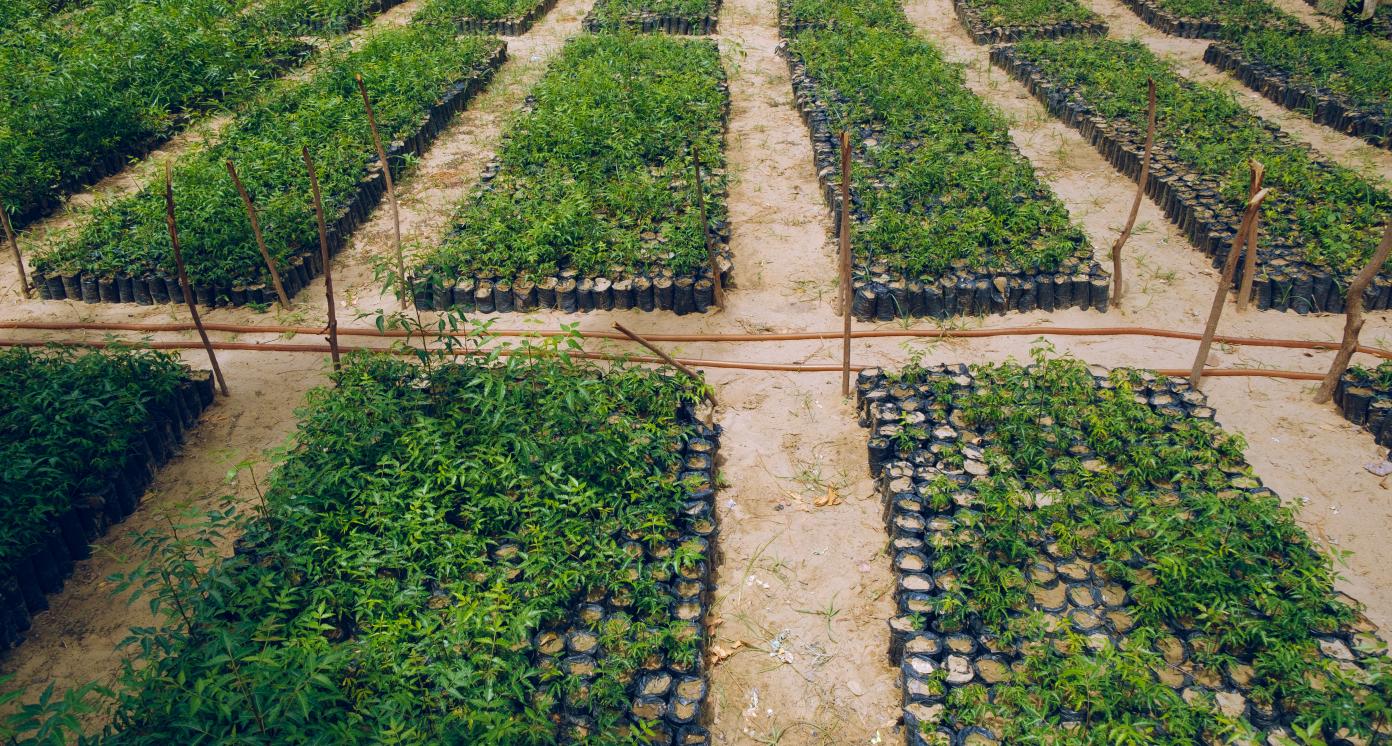
Establish and operate integrated aloe vera production hubs with contract farming, sustainable harvesting training, and processing units to produce gel, powder, and extracts. Target cosmetic, pharmaceutical, and beverage companies in regional and international markets, emphasizing organic and fair-trade certifications. Secure financing through a combination of impact investment, development grants (focused on community training and sustainable practices), and commercial loans for processing infrastructure.
Business Case
Market Size and Environment
< USD 50 million
5% - 10%
The global aloe vera market was valued at approximately USD 785.92 million in 2023 and is projected to reach USD 1.33 billion by 2031, growing at a CAGR of 6.80%. Specific data for Karamoja and West Pokot is limited; however, considering these regions' potential in aloe vera cultivation, a conservative estimate for the local market size could range between USD 1 million to USD 5 million. (26, 28)
Indicative Return
20% – 25%
Aloe vera farming offers high returns due to its low maintenance and high demand. In Kenya, aloe vera gel fetches approximately KES 500-1000 per liter, and farmers can break even within 2-3 years. Investors in aloe vera farming in other contexts can expect a ROI exceeding 25%. (27, 28, 31)
Investment Timeframe
Long Term (10+ years)
Investors can anticipate returns within 2 to 3 years after initial planting. Aloe vera plants typically reach commercial yield in the second year of planting, with the potential for multiple harvests annually. This rapid maturation allows for a relatively quick return on investment. (27, 28, 31)
Ticket Size
< USD 500,000
Market Risks and Scale Obstacles
Business - Supply Chain Constraints
Market - Highly Regulated
Expected Financing Model
Blended financing (risk sharing and public support)
EIOA Business Criteria
Aloe vera demand in pharmaceuticals and cosmetics is strong. Blended financing helps overcome supply chain and regulatory challenges, ensuring commercial viability. (18, 28, 29)
The model focuses on sustainable aloe cultivation, processing, and value addition, targeting domestic and export markets with structured supply chains. (18, 29)
Karamoja and West Pokot offer vast land and wild aloe species. Cooperatives and out-grower models can expand production and integrate with regional and global markets. (18, 29)
Small traders in Turkana and West Pokot confirm demand. Success in other ASAL regions shows viability, but formalization and processing investment are needed. (18, 29, 32)
Impact Case
Sustainable Development Need
Aloe harvesting offers income for rural women but remains low-paying and informal. Organized production and processing can increase earnings and empower women economically. (18, 29)
Unregulated harvesting depletes wild aloe stocks, harming biodiversity. Sustainable cultivation ensures long-term supply while preventing overexploitation. (18, 29)
Aloe is mostly sold raw at low prices due to lack of processing and market structures. Developing processing hubs and branding can increase profits and expand market reach. (18, 29)
Gender & Marginalisation
Women dominate aloe harvesting but earn low wages and lack access to processing, finance, and markets. Formalizing the value chain and training women in value addition can boost earnings and agency. (18, 29)
West Pokot and Karamoja are remote with weak infrastructure, isolating small producers from high-value urban markets. Strengthening supply chains can improve market access. (18, 31)
Aloe harvesting is informal, with few opportunities for youth and smallholders to engage in processing or trade. Training and cooperative models can increase youth employment and economic resilience. (23, 27, 31)
Expected Development Outcome
Aloe processing creates jobs for women and youth, reduces unsustainable harvesting, and strengthens market linkages. Investment in training and cooperatives improves income security and ensures sustainable resource use in Karamoja and West Pokot. (23, 30, 31)
Expanding formal aloe trade reduces reliance on cattle raiding and informal markets, offering alternative livelihoods. Strengthening cross-border trade fosters cooperation and mitigates resource conflicts in the fragile Kenya-Uganda borderland. (23, 31, 32)
Gender & Marginalisation
Aloe processing increases women’s participation in aloe production by formalizing trade, providing training, and ensuring fair pricing. Women, who dominate raw aloe collection, gain higher-value opportunities in processing and branding, reducing income disparities. (18, 29)
Aloe processing integrates remote producers into formal markets, reducing exploitation by middlemen. Processing hubs in Karamoja and West Pokot improve market access, while cross-border trade links diverse ethnic groups, fostering economic inclusion. (23, 27, 31)
Training in aloe farming, processing, and product development creates new income streams for youth. Supporting cooperatives and financing lowers barriers to entry, enabling smallholders to scale up production and move away from precarious informal trade. (23, 27, 31)
Primary SDGs addressed
8.3.1 Proportion of informal employment in total employment, by sector and sex
In 2023, Kenya's informal sector employed approximately 16.7 million individuals, accounting for about 83.5% of the total employment. The informal sector in Uganda employs about 13.3 million people out of the 15.8 million working population, representing approximately 85% of total employment. (34, 35)
N/A
12.2.1 Material footprint, material footprint per capita, and material footprint per GDP
N/A
N/A
15.2.1 Progress towards sustainable forest management
15.3.1 Proportion of land that is degraded over total land area
N/A
N/A
Directly impacted stakeholders
People
Gender inequality and/or marginalization
Planet
Corporates
Public sector
Indirectly impacted stakeholders
People
Gender inequality and/or marginalization
Planet
Corporates
Outcome Risks
Environmental Degradation: Unsustainable aloe harvesting could deplete wild plant populations, reducing biodiversity and impacting soil stability in arid regions.
Market Exclusion: Without inclusive policies, large processors may dominate, marginalizing small-scale harvesters, especially women and indigenous communities.
Conflict Over Resources: Increased commercial aloe production could lead to land disputes, particularly in border areas with unclear tenure systems or competing pastoralist interests.
Labor Inequality: Without safeguards, women and youth may remain in low-paying roles while men dominate higher-value processing and trade, reinforcing existing inequalities.
Impact Risks
Climate Sensitivity: Drought and erratic rainfall may reduce aloe yields, limiting income for producers and discouraging investment in sustainable cultivation.
Gender Barriers: Women may face restricted access to land, credit, and training, limiting their ability to benefit from aloe value chains, reinforcing existing inequalities.
Market Instability: Fluctuating demand, regulatory hurdles, and limited export access may prevent processors from scaling operations, reducing long-term sustainability.
IMP Impact Classification
What
Climate variability, weak market structures, regulatory barriers, and unequal access to finance may limit production scalability and exclude marginalized groups from economic gains.
Who
Smallholder farmers, women, youth, cooperatives, and businesses in West Pokot and Karamoja, with broader benefits for local economies and regional trade.
Risk
Climate variability, weak market structures, regulatory barriers, and unequal access to finance may limit production scalability and exclude marginalized groups from economic gains.
Enabling Environment
White Space Typology
Policy White Space: The aloe vera sector addresses land restoration and income generation but remains a Policy White Space due to weak regulatory oversight, limited policy prioritization, and lack of structured support in Kenya and Uganda, despite its environmental and economic potential.
Main Barriers
Restrictive Conservation Policies and Permit Requirements: Aloe harvesting is regulated by conservation policies requiring permits, which are difficult for smallholders to obtain. Past harvesting bans in West Pokot underscore sustainability concerns and create uncertainty for investors.
Lack of Clear Processing and Export Standards: The absence of specific national standards for aloe vera processing, certification, and export—especially in compliance with pharmaceutical and cosmetic requirements—hinders market access and discourages small-scale producers.
Limited Policy Recognition and Institutional Support: Despite its potential for land restoration and livelihood diversification, aloe vera remains absent from key national planning frameworks (e.g., Uganda’s NDP III, Kenya’s Vision 2030), resulting in little public investment or structured incentives.
General Policy Environment
Third Karamoja Integrated Development Plan (KIDP3) 2021/22 – 2025/26: KIDP3 promotes alternative off-farm livelihoods, including aloe vera extraction, as a source of income for agro-pastoral households. It supports training and enterprise development to enhance commercial aloe production. (1)
West Pokot County Integrated Development Plan (CIDP) 2023 – 2027: The CIDP highlights the potential of aloe vera as a cash crop. It proposes establishing 50 hectares of aloe vera plantations to boost income and promote sustainable land use in West Pokot. (2)
Kenya's Strategy for Conservation and Management of Commercial Aloe Species (2007): This national policy focuses on sustainable harvesting, conservation, and commercialization of aloe species. It encourages research, technological innovation, and value addition in aloe product development. (33)
Uganda's National Development Plan III (NDP III) 2020/21 – 2024/25: NDP III aims to enhance agro-industrialization, emphasizing value addition and export promotion. While not specific to aloe vera, it supports initiatives that align with developing the aloe vera value chain in regions like Karamoja. (34)
Kenya Vision 2030: This long-term development blueprint aims to transform Kenya into an industrializing, middle-income country. It emphasizes agricultural productivity and value addition, providing a supportive environment for aloe vera commercialization. (35)
Policy Recommendations
Develop and implement national standards for aloe vera processing and export, including certification protocols aligned with cosmetic and pharmaceutical markets, to unlock formal trade and attract private investment.
Integrate aloe vera into national development plans and agri-value chain strategies, coupled with clear sustainability guidelines and streamlined permitting processes to support smallholder participation and restore investor confidence.
Develop incentives for local aloe processing, including tax breaks for processing plants and subsidies for cooperatives.
General Regulatory Environment
Kenya Wildlife Conservation and Management Act (2013): Regulates aloe harvesting under KWS oversight to prevent overexploitation. Licensing requirements ensure sustainable production and legal trade in aloe products. (36)
Uganda’s National Forestry and Tree Planting Act (2003): Governs the use of non-timber forest products, including aloe, ensuring conservation and sustainable commercial utilization within Uganda. (37)
Kenya Biosafety Act (2009): Regulates plant-based processing and commercialization, ensuring aloe vera cultivation meets environmental and safety guidelines for domestic and export markets. (38)
Uganda’s Investment Code Act (2019): Encourages agro-processing and value addition, including incentives for aloe vera processing plants, facilitating private sector investment and sector growth. (39)
Regulatory Reccomendations
Kenya Wildlife Conservation and Management Act (2013): Regulates aloe harvesting under KWS oversight to prevent overexploitation. Licensing requirements ensure sustainable production and legal trade in aloe products. (36)
Uganda’s National Forestry and Tree Planting Act (2003): Governs the use of non-timber forest products, including aloe, ensuring conservation and sustainable commercial utilization within Uganda. (37)
Kenya Biosafety Act (2009): Regulates plant-based processing and commercialization, ensuring aloe vera cultivation meets environmental and safety guidelines for domestic and export markets. (38)
Uganda’s Investment Code Act (2019): Encourages agro-processing and value addition, including incentives for aloe vera processing plants, facilitating private sector investment and sector growth. (39)
General Cross-border Trade Policy and Regulatory environment
EAC Simplified Trade Regime (STR): Facilitates small-scale cross-border trade between Kenya and Uganda by simplifying customs procedures and reducing informal trade risks, enabling aloe producers to access regional markets more easily. (40)
EAC SPS Protocol (2020): Establishes harmonized sanitary and phytosanitary standards across East African states, critical for certifying aloe vera extracts for regional and international cosmetic and pharmaceutical markets. (41)
IGAD Regional Strategy (2021–2025): Supports cross-border natural resource management and trade facilitation, offering a regional framework that can be leveraged to harmonize aloe harvesting and trade practices across arid borderland zones. (42)
General Cross-border Trade Policy and Regulatory Recommendations
Align aloe vera processing and export standards between Kenya and Uganda under the East African Community (EAC). A shared regulatory framework, like the EAC Honey Standards, can boost regional trade.
Reduce non-tariff barriers by implementing One-Stop Border Posts (OSBPs) for aloe vera products, cutting clearance times and improving trader access.
Establish cross-border trader cooperatives for aloe farmers and processors.
Streamline trade regulations for aloe vera products within EAC/COMESA to ease movement across Kenya-Uganda.
Capital structure and funding
There are no large-scale formal investments in the aloe vera sector in the borderland. However, in West Pokot, Somali traders have engaged pastoralists, particularly women and girls, to harvest and process aloe vera. This informal sector activity provides income but lacks formal investment structures. (29)
There are no large-scale formal investments in the aloe vera sector in the borderland. However, in West Pokot, Somali traders have engaged pastoralists, particularly women and girls, to harvest and process aloe vera. This informal sector activity provides income but lacks formal investment structures. (29)
Financial incentives
There are currently very limited specialized financing options for aloe vera production and processing in the borderland region. The sector remains largely informal and undercapitalized, with no dedicated national or international credit lines or grants specifically targeting aloe. However, potential financing could be pursued through broader climate-resilient agriculture and green enterprise funds, such as the Agricultural Credit Facility (Uganda) or Agricultural Finance Corporation (Kenya). Additionally, programs like IFAD’s inclusive value chain projects or EU-backed green SME initiatives may offer entry points, especially if aloe is positioned as a drought-resilient and export-oriented crop. Nonetheless, access remains limited, and dedicated catalytic capital is still needed to attract private investors. (48, 49)
Financial recommendations
There are currently very limited specialized financing options for aloe vera production and processing in the borderland region. The sector remains largely informal and undercapitalized, with no dedicated national or international credit lines or grants specifically targeting aloe. However, potential financing could be pursued through broader climate-resilient agriculture and green enterprise funds, such as the Agricultural Credit Facility (Uganda) or Agricultural Finance Corporation (Kenya). Additionally, programs like IFAD’s inclusive value chain projects or EU-backed green SME initiatives may offer entry points, especially if aloe is positioned as a drought-resilient and export-oriented crop. Nonetheless, access remains limited, and dedicated catalytic capital is still needed to attract private investors. (48, 49)
Security Environment
Long-standing tensions among pastoralist groups, such as the Pokot, Turkana, and Karamojong, have led to cycles of retaliatory attacks. These conflicts often stem from competition over resources like water and grazing land, creating an unstable environment for business operations. (4, 43, 44)
Banditry and armed robberies are prevalent in the area, affecting the safety of transportation routes essential for business logistics. Such insecurity can lead to increased costs and deter investment. (4, 43, 44)
The porous borders between Kenya and Uganda facilitate the movement of armed groups, leading to cross-border raids and conflicts. These tensions can disrupt trade and supply chains, impacting the scalability of cross-border business models. (4, 43, 44)
Socio-political environment
Traditional and government authorities both claim control over land use, leading to disputes. Unclear land tenure for aloe vera cultivation limits investor confidence and long-term planning. (45)
Women, who are primary aloe harvesters, face barriers in accessing financial resources and market opportunities. Traditional norms limit their role in decision-making and control over income. (6, 29)
Unresolved inter-community conflicts disrupt market access and trade. Without stronger mediation efforts, insecurity will continue to hinder supply chain efficiency and scalability. (6, 45)
Development funds for agro-processing risk being controlled by politically connected actors, sidelining small-scale producers. This inequality limits broad-based benefits from the sector. (45)
Risk mitigation strategies
Advocate for clear, consistent regulations across Kenya and Uganda, reducing political interference and ensuring predictable licensing and trade policies for aloe vera investments.
Establish formalized land tenure agreements with local authorities and elders to secure aloe farming areas, preventing disputes and ensuring long-term investor confidence.
Develop financial programs tailored to women aloe harvesters, including cooperative models, microfinance access, and training to enhance their role in decision-making and market participation.
Encourage businesses to integrate community peace committees and local governance structures into operations, ensuring that trade benefits multiple communities and reduces tensions.
Support investment in cross-border infrastructure, including roads and storage facilities, to improve market access, lower transaction costs, and enhance supply chain resilience.
Actors in EIOA Space
Baringo Aloe Bio-Enterprise, Zonken Biotech, Somali traders (24, 29, 46)
County Government of West Pokot, Ministry for Karamoja Affairs (1, 2)
IGAD
VisionFund International, Uganda Commercial Aloe-Vera Farmers Association (47)
References
Sector and Subsector Sources
- (1) Ministry for Karamoja Affairs & Office of the Prime Minister. (2021). The Third Karamoja Integrated Development Plan (KIDP 3) 2021–2025.
- (2) County Government of West Pokot. (2023). Third County Integrated Development Plan (CIDP) 2023–2027.
- (3) Catley, A., et al. (2021). Introducing pathways to resilience in the Karamoja Cluster. Pastoralism, 11(28). https://doi.org/10.1186/s13570-021-00214-4
- (4) UNDP Africa Borderlands Centre. (2022). The Karamoja Cluster: Rapid Conflict Analysis and Gender Assessment (Kenya and Uganda).
- (5) Kenya High Commission Kampala. (2025). Kenya-Uganda Trade & Investments. Accessed February 2025. https://www.kenyamissionkampala.ug/kenya-uganda-trade-investments
- (6) Columbia SIPA. (2020). Ethical Cross-Border Trading between Kenya and Uganda by Women-led Micro and Small Enterprises.
- (7) Aklilu, Y. (2017). Livestock Trade in Karamoja, Uganda: An Update of Market Dynamics and Trends. USAID. https://karamojaresilience.org/wp-content/uploads/2021/05/tufts_1803_krsu_livestock_trade_karamoja_v2_online.pdf
- (8) Arasio, R.L., and E. Stites. 2022. “The Return of Conflict in Karamoja, Uganda: Community Perspectives.” Karamoja Resilience Support Unit (KRSU), Feinstein International Center, Friedman School of Nutrition Science and Policy at Tufts University, Kamp
- (9) Interpeace, IGAD, & FAO. (2023). Conflict, Climate Change, Food Security and Mobility in the Karamoja Cluster. https://www.interpeace.org/wp-content/uploads/2024/01/Conflict-climate-change-food-security-and-mobility-in-the-Karamoja-Cluster.pdf
- (10) Armed Conflict Location & Event Data Project (ACLED). (2025). Regional Overview – Africa, February 2025. https://acleddata.com/2025/02/10/africa-overview-february-2025
- (11) Republic of Uganda. (2009). The National Livestock Census Report 2008. Ministry of Agriculture, Animal Industry & Fisheries.
- (12) Behnke, R.H. and Arasio, R.L., 2019. The Productivity and Economic Value of Livestock in Karamoja Sub-region, Uganda. Karamoja Resilience Support Unit, USAID/Uganda, UK aid, and Irish Aid, Kampala.
- (13) Auma, S., & Badr, N. (2022). Assessment of the Impacts of Climate Change on Livestock Water Sources and Livestock Production: Case Study, Karamoja Region of Uganda. World Water Policy.
- (14) Republic of Kenya. (n.d.). Agricultural Sector Transformation and Growth Strategy (2019-2029). https://asdsp.kilimo.go.ke/wp-content/uploads/2023/10/ASTGS-Full-Version-1.pdf
- (15) Republic of Uganda. (2013). National Agriculture Policy. https://www.agriculture.go.ug/wp-content/uploads/2019/04/National-Agriculture-Policy.pdf
- (16) Coffey International. (2016). Support for Strategic Review and Planning to Strengthen DFID’s Work on Gender Equality and Women and Girls Empowerment in Karamoja Region, Uganda.
- (17) Czuba, K. (2012). Income Generating Activities and Savings Behaviour of Adolescent Girls and Young Women in Karamoja.
- (18) IMARA Program. (2022). Value Chain Mapping and Analysis: Integrated Management of Natural Resources for Resilience in the ASAL.
- (19) Karamoja Resilience Support Unit (2022). Karamoja Donor Mapping Report—2022. Karamoja Resilience Support Unit II, United States Agency for International Development (USAID)/Uganda, Kampala.
- (20) FAO. (2011). Global Food Losses and Food Waste.
- (21) Integrated Food Security Phase Classification (IPC). (2023). Karamoja Region IPC Analysis.
- (22) Barrantes, A., & Caravani, M. (2020). Situational Analysis of Food Security and Income in Karamoja.
EIOA Sources
- (23) Interview with public district officers in Moroto and West Pokot
- (24) The Star. (2020, November 6). Chinese firm to tap aloe sap from Baringo farmers. Retrieved from: https://www.the-star.co.ke/counties/rift-valley/2020-11-06-chinese-firm-to-tap-aloe-sap-from-baringo-farmers/
- (25) Kenya Climate Innovation Center (KCIC). (n.d.). Kenyan farmer providing affordable medicinal solutions. Retrieved from: https://www.kenyacic.org/kenyan-farmer-providing-affordable-medicinal-solutions/
- (26) Verified Market Research. (2024, July). Aloe Vera Market Size, Share, Trends, Growth, Scope & Forecast. Retrieved from: https://www.verifiedmarketresearch.com/product/aloe-vera-market/
- (27) Interview with farmers cooperatives
- (28) Estimations based on interviews data with district officials, farmers cooperatives, and agribusiness experts with knowledge of the borderland area.
- (29) Intergovernmental Authority on Development (IGAD). (2017). Stocktaking Study of Complementary Livelihoods Market and Value Chain Analysis for Identified Priority Products in IGAD Region Cross Border Areas. Regional Pastoral Livelihoods Resilience Project (RPLRP).
- (30) Wabuyele, E., & Kyalo, S. (2014). Sustainable Use of East African Aloes: The Case of Commercial Aloes in Kenya. Kenya Wildlife Service and National Museums of Kenya. https://cites.org/sites/default/files/ndf_material/Sustainable%20Use%20of%20East%20African%20Aloes%20the%20case%20of%20commercial%20aloes%20in%20Kenya%20.pdf
- (31) Interview with an agribusiness consultant for a large international organisation
- (32) Adienge, A., Muturi, G., Nadir, S., Gicheru, J., Kinyua, J., & Ngaira, J. (2019). Genetic Diversity and Population Structure of Three Commercial Indigenous Aloe Species in Selected ASALs of Kenya. Journal of Plant Science & Molecular Breeding, 8(1). Retrieved from: https://www.kefri.org/assets/publications/articles/ALOE%20PUBLISHED-ASENATH.pdf
- (33) Government of Kenya. (2007). Strategy for Conservation and Management of Commercial Aloe Species in Kenya. Kenya Wildlife Service. Retrieved from: https://kws.go.ke/sites/default/files/2019-11/Strategy%20of%20Conversation%20Management%20of%20Commercial%20Aloe%20Species%20in%20Kenya_0.pdf
- (34) National Planning Authority (NPA). (2020). Third National Development Plan (NDPIII) 2020/21 – 2024/25. Republic of Uganda. Retrieved from: https://www.npa.go.ug/wp-content/uploads/2023/03/NDPIII-Finale_Compressed.pdf
- (35) Government of Kenya. (2007). Kenya Vision 2030: The Popular Version. Government of Kenya. Retrieved from: https://vision2030.go.ke/publication/kenya-vision-2030-popular-version/
- (36) Government of Kenya. (2013). Wildlife Conservation and Management Act, 2013. Nairobi: Kenya Gazette Supplement No. 181 (Acts No. 47).
- (37) Republic of Uganda. (2003). National Forestry and Tree Planting Act, 2003. Kampala: Uganda Gazette No. 47 Volume XCVI dated 8th August, 2003.
- (38) Government of Kenya. (2009). Biosafety Act, 2009. Nairobi: Kenya Gazette Supplement No. 10 (Acts No. 2).
- (39) Republic of Uganda. (2019). Investment Code Act, 2019. Kampala: Uganda Gazette No. 14 Volume CXII dated 29th March, 2019.
- (40) East African Community. (n.d.). Simplified Trade Regime (STR).
- (41) East African Community. (2020). EAC Sanitary and Phytosanitary (SPS) Protocol.
- (42) Intergovernmental Authority on Development (IGAD). (2021). IGAD Regional Strategy: 2021–2025. Djibouti: IGAD Secretariat.
- (43) Gray, S., Sundal, M., Wiebusch, B., Little, M. A., Leslie, P. W., & Pike, I. L. (2003). Cattle Raiding, Cultural Survival, and Adaptability of East African Pastoralists. Current Anthropology, 44(S5), S3–S30. https://www.journals.uchicago.edu/doi/full/10.1086/377669
- (44) Stites, E. (2022). Conflict in Karamoja: A Synthesis of Historical and Current Perspectives, 1920–2022. Karamoja Resilience Support Unit (KRSU), Feinstein International Center, Tufts University.
- (45) USAID. (2023). Applied Political Economy Analysis for the Karamoja Cluster.
- (46) Nation Media Group. (2020, October 20). Baringo eyes aloe vera in bid to beautify life and grow tidy cash. Nation. Retrieved from: https://nation.africa/kenya/business/baringo-eyes-aloe-vera-in-bid-to-beautify-life-and-grow-tidy-cash-2728980
- (47) Intergovernmental Authority on Development (IGAD). (2019). Mapping of Actors in the Karamoja Cluster.
- (48) Bank of Uganda. (n.d.). Agricultural Credit Facility (ACF). Kampala: Bank of Uganda.
- (49) Agricultural Finance Corporation. (n.d.). Official Website – Loan Products. Nairobi: Government of Kenya. Retrieved from: https://agrifinance.org
- (50) West Pokot Crops Statistics, 2019-2023, shared by the Chamber of Commerce in West Pokot.
- (51) Deutsche Welle (2013). Women take over Kenya's farming sector. https://www.dw.com/en/women-take-over-kenyas-farming-sector/a-16716322